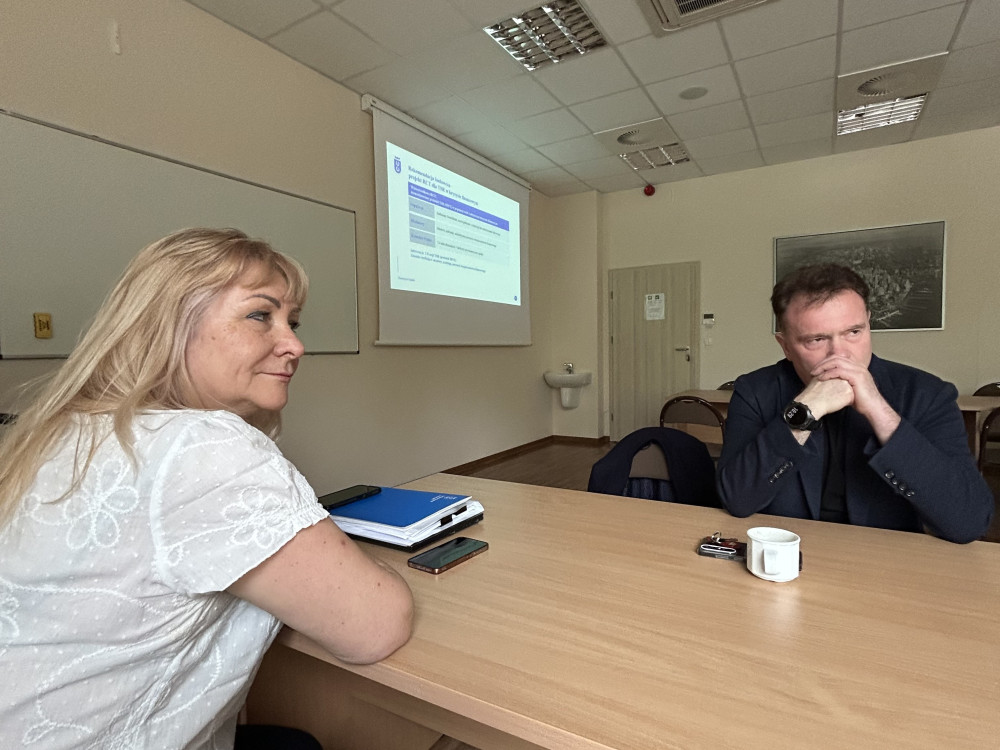
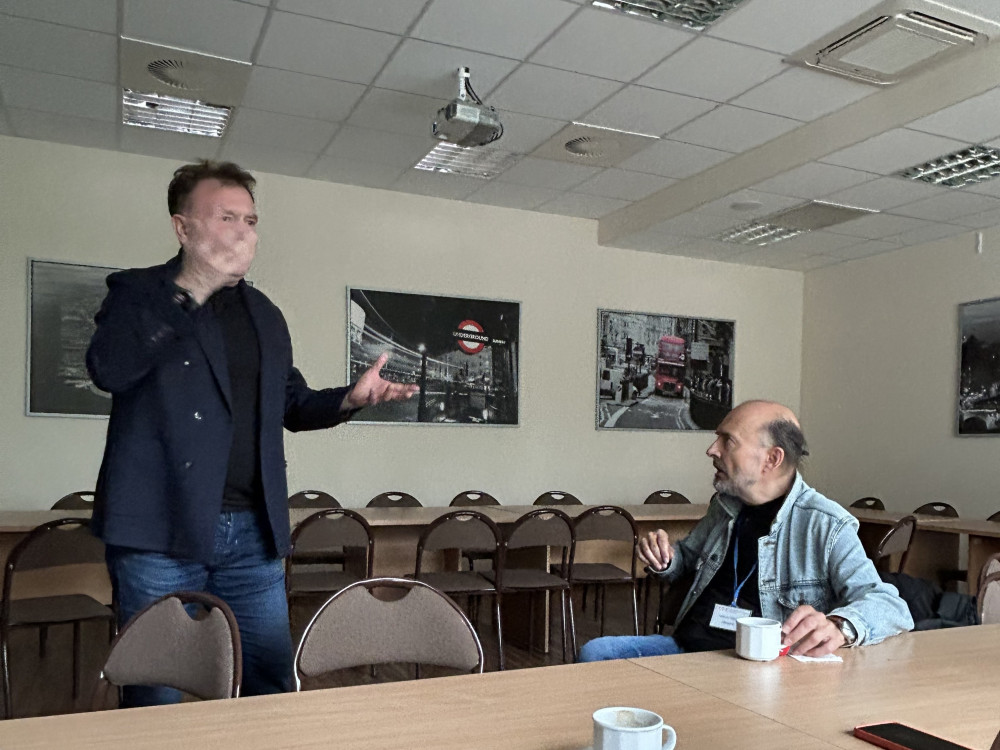
Conference “From Crisis to Strength and Hope” organized by the Faculty of Economics of the University of Gdańsk and the Polish Association for Solution-Focused Psychotherapy
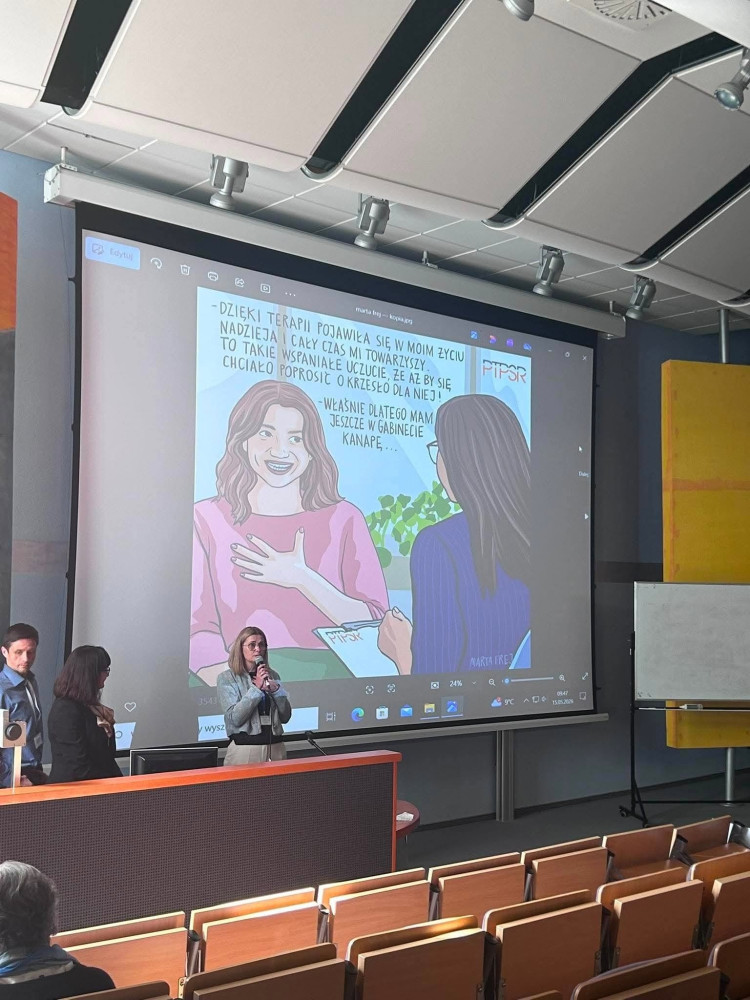
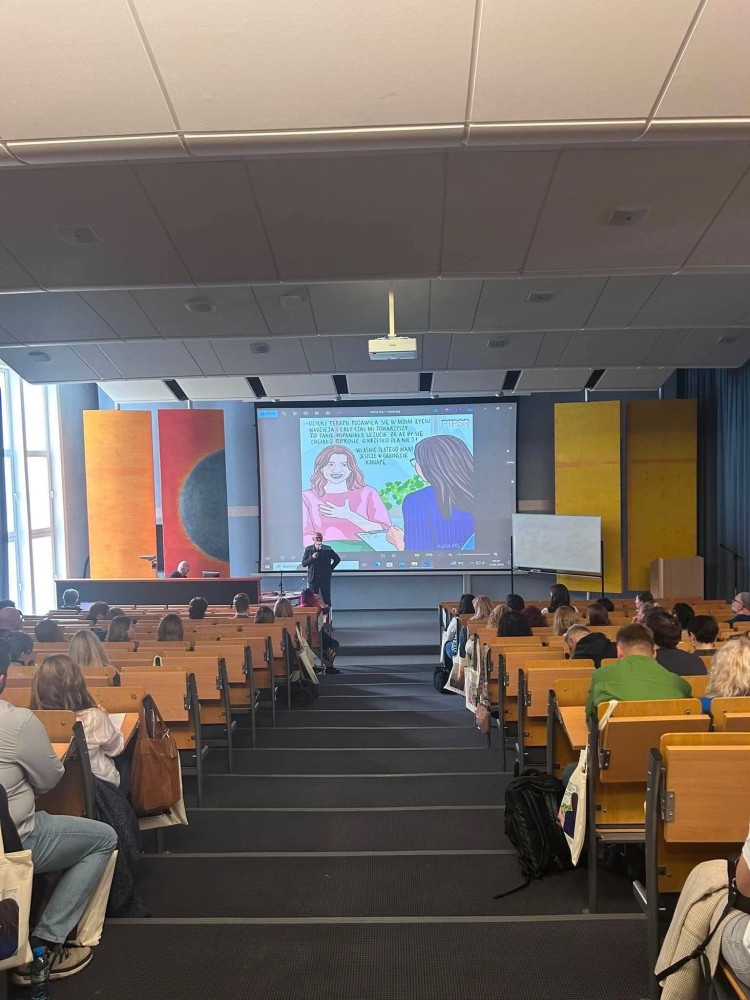
On 15-16 May 2026, the 15th Conference of the Polish Association for Solution-Focused Psychotherapy was held under the theme “From Crisis to Strength and Hope”, co-organized by the Faculty of Economics of the University of Gdańsk. The organization of a conference devoted to this subject perfectly aligns with the strategic objectives of the Faculty of Economics, which include building a socially responsible university, strengthening human capital, and promoting an interdisciplinary approach to contemporary socio-economic challenges.
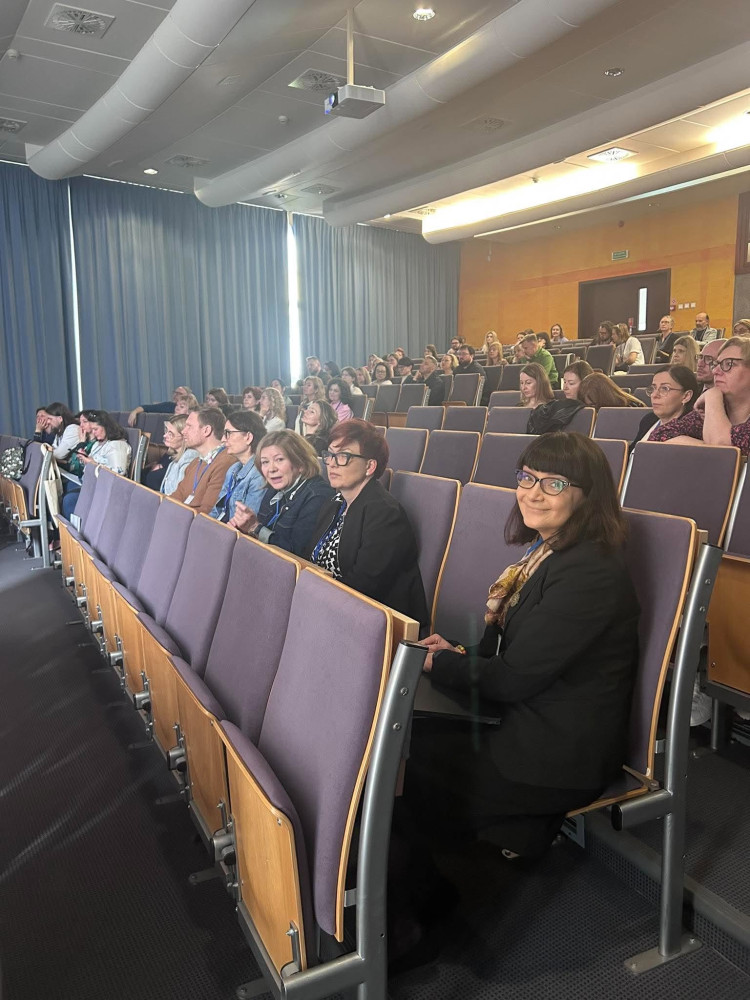
The two-day event brought together psychotherapists, psychologists, researchers, mental health practitioners, and representatives of various professional communities interested in mental health crises and methods of supporting individuals facing difficult life experiences.
The conference was officially opened by Dr Magdalena Markiewicz, Vice-Dean for Development and Cooperation with the Socio-Economic Environment, and Agnieszka Rohde, President of the Polish Association for Solution-Focused Psychotherapy.
The central idea of the conference was to view crisis as a turning point, not merely as a destructive experience, but also as an opportunity for growth, rebuilding personal resources, and discovering new directions for action. Expert presentations focused on mechanisms for building hope, strengthening agency, and identifying effective solutions in therapeutic practice.
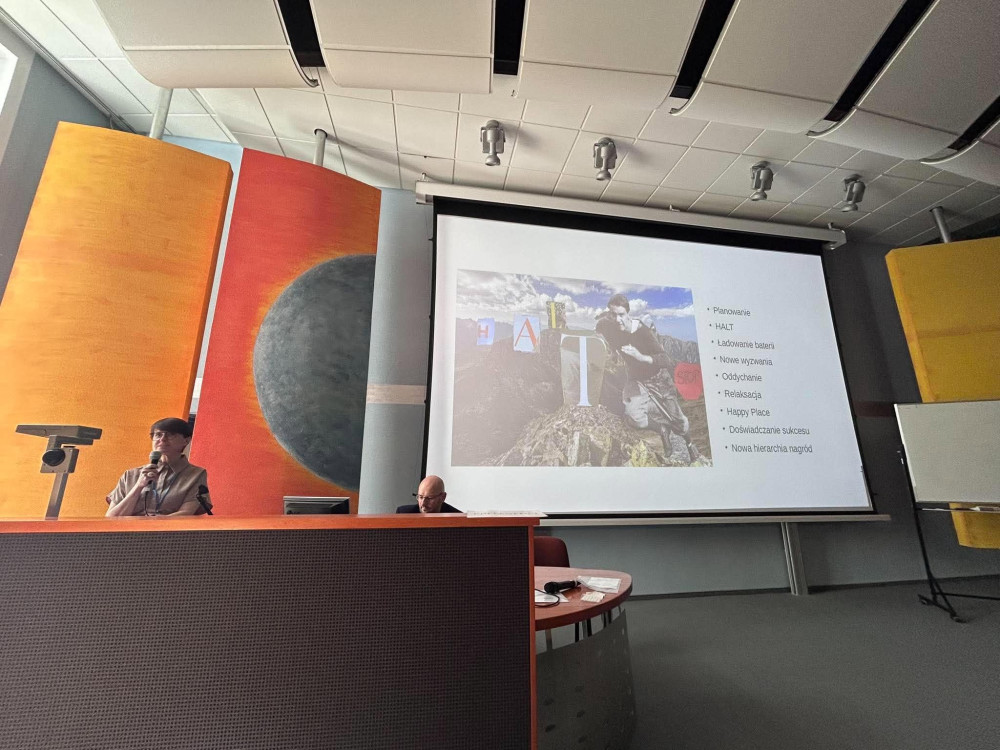
Mariusz Wilk’s opening lecture, “Slower Means Faster”, highlighted the importance of a conscious pace of functioning in a world characterized by pressure, constant change, and information overload. The speaker emphasized that pausing, reflection, and cultivating mindfulness can paradoxically lead to more effective coping with challenges, better decision-making, and faster achievement of sustainable results in both personal and professional life.
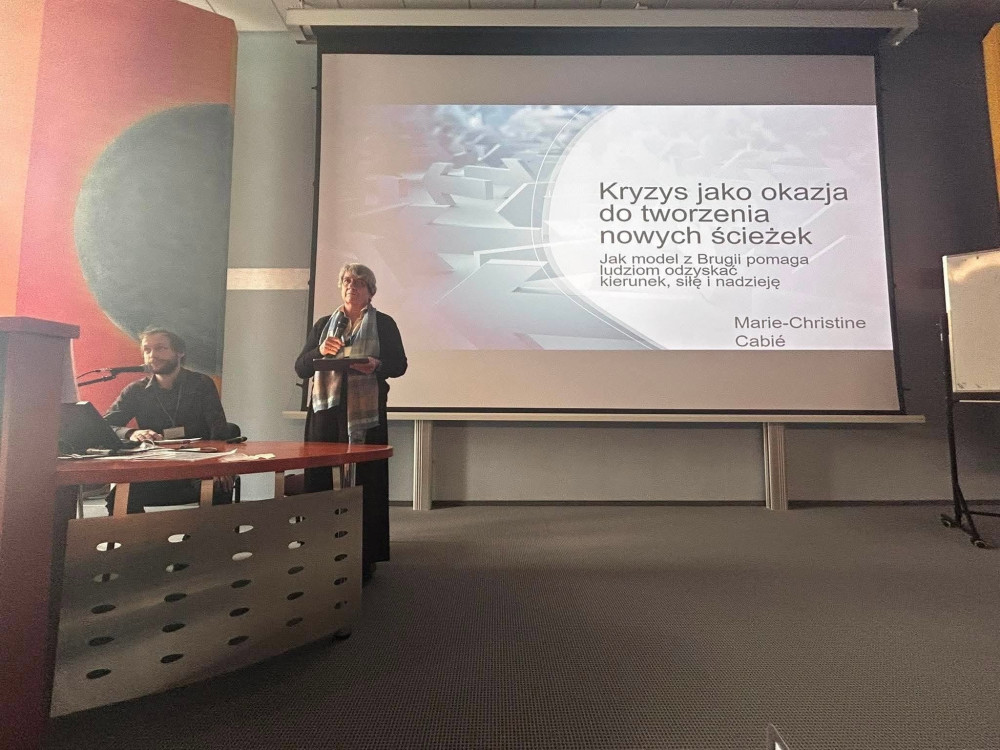
Among the key topics discussed on the first day were reflections on the process of change and regaining balance after crisis experiences, as well as a presentation of the Bruges Model by Marie-Christine Cabié from France, demonstrating how to support individuals who have lost their sense of direction, strength, and hope. Participants also had the opportunity to attend presentations devoted to working with people facing extreme life situations, bereavement, and cancer.
Mental Health from Economic, Social, and Legal Perspectives
An important part of the programme was a panel devoted to the economic and social dimensions of mental health crises. Speakers emphasized the interdependence between economic changes, financial difficulties, work-related challenges, and individuals’ mental well-being.
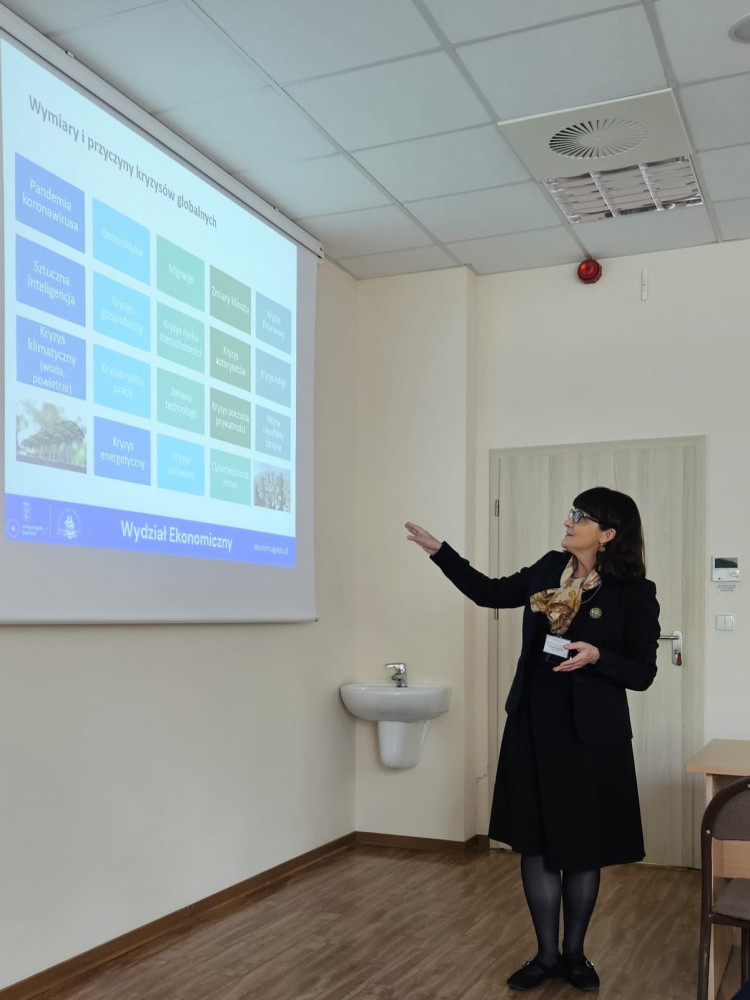
The session opened with a presentation by Dr Magdalena Markiewicz, entitled “The Role of Global Crises in the Emergence of Mental Health Crises”.
This was followed by a presentation from Professor Aleksandra Koźlak and Professor Jacek Winiarski, “Financial Crises in an Individual’s Life as a Source of Mental Health Crises”, which demonstrated how financial difficulties can lead to psychological distress and a reduced quality of life.
Subsequently, Filip Dudzicz discussed the significance of occupational challenges, such as stress, job insecurity, and excessive workloads, as factors increasing the risk of mental health crises. The panel concluded with a presentation by Professor Aleksandra Koźlak on the economic consequences of mental health crises, illustrating their impact not only on affected individuals but also on the labour market and the broader economy.
The lively discussions during the session emphasized that mental health is closely linked to both economic and social conditions, and that effective prevention and intervention require consideration of psychological as well as economic perspectives.
Workshops were conducted alongside the plenary sessions. Particular attention was also devoted to the role of new technologies in psychotherapy. One of the workshops focused on the use of Virtual Reality (VR) and Artificial Intelligence (AI) tools in the development of therapeutic competencies.
The second day of the conference focused primarily on building perspective as a tool for overcoming crises, as well as on issues related to the professional responsibility of psychologists and psychotherapists.
During the legal panel, participants discussed professional confidentiality in cases involving suspected child abuse, as well as the significance of pending legislative changes concerning the psychology profession and professional self-governance.
An important element of the programme was an international discussion devoted to the various faces of crisis, featuring representatives from Ukraine and South Africa. The meeting provided an opportunity to examine crisis experiences in a broader international context and highlighted the universal importance of hope, resilience, and social support.
The event created a platform for the exchange of experiences among practitioners, researchers, and representatives of diverse professional communities, while also showcasing the latest developments in solution-focused psychotherapy.
Modern economics increasingly recognizes mental well-being as one of the key factors influencing professional activity, organizational effectiveness, quality of education, and social development. Therefore, addressing issues related to mental health, resilience, agency, and hope at the Faculty of Economics represents a natural extension of research on social capital and quality of life.
Particular importance was attached to the conference’s economic panel, which explored the interrelationships between economic crises, financial and professional circumstances, and individuals’ mental well-being. The programme demonstrated that mental health is not solely a psychological issue but also an important factor in economic development, influencing productivity, employment, absenteeism, learning capacity, and the functioning of entire organizations.
Promoting knowledge about coping mechanisms, strengthening psychological resilience, and developing a culture of support contributes to building the foundations for improving the mental well-being and overall wellness of the entire university community.
The event reinforced awareness that educational and professional success is closely linked to mental well-being, and that universities play an important role not only in the dissemination of knowledge but also in shaping an environment that supports mental health, social inclusion, and sustainable personal and professional development.