


Meeting with Logistics Practice

Logistics Students Club invites you to the Meetings with Logistics Practice which will take place on:
- 12 January at 9:45 a.m. in room C301 (meeting in English)
- 13 January at 9:45 a.m. in room C301 (meeting in Polish)
This time, the speakers will be representatives of Aramco Fuels Poland
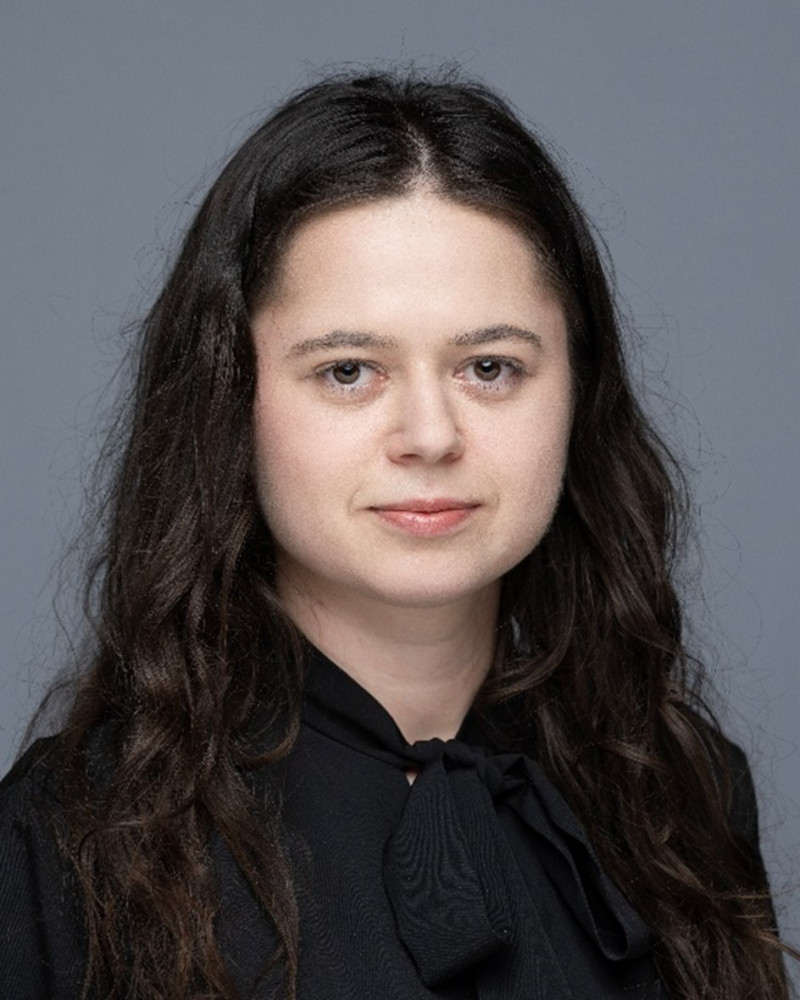 Urszula Bałdyga – Supply Chain Planning Specialist at Aramco Fuels Poland sp. z o.o.
Graduate of a master’s degree programme in Economics, specialising in Transport Economics and Logistics. Former Vice President of the Logistics Students Club at the Faculty of Economics, University of Gdańsk.
She works in the Supply Chain Planning and Inventory Management Office. The team she is part of acts as an intermediary between production and trading and is responsible for three main areas.
The first involves planning the supply of crude oil and biocomponents necessary for refinery production at Aramco Fuels Poland.
The second concerns balancing non-fuel products (including base oils, slack waxes, and asphalts) through ongoing supervision of production and distribution planning to maintain optimal operational inventory levels.
The third area results from statutory obligations imposed on fuel producers and traders and includes reporting the levels of mandatory and commercial inventories held by Aramco Fuels Poland to the Government Strategic Reserves Agency, as these inventories have a direct impact on national security.
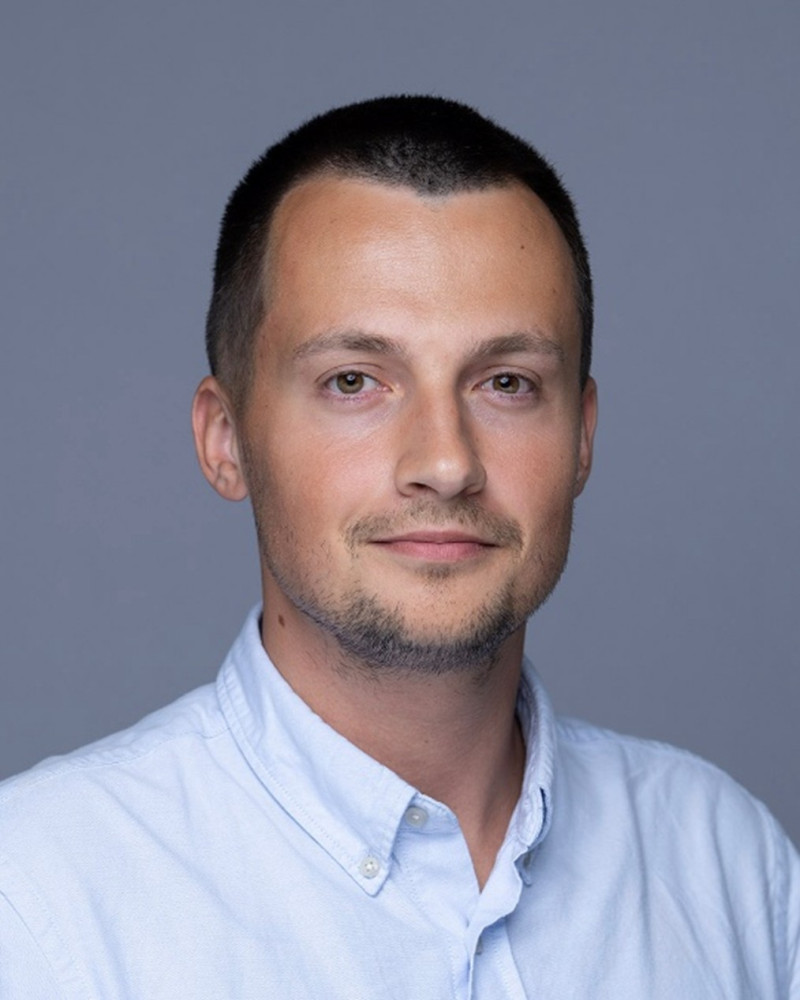 Bartłomiej Knieć – Specialist at the Rail Logistics Management Office, Aramco Fuels Poland sp. z o.o.
Graduate of Logistics and Freight Forwarding at the Gdańsk School of Banking.
A supply chain management practitioner who combines an operational perspective with data analytics. He has both practical and theoretical experience gained through work in various areas of the logistics industry. He began his career at one of the largest railway companies in Poland, where he became familiar with the realities of operational work. Today, he applies this knowledge to delivery planning, process analysis, and transport optimisation, combining academic knowledge with the realities of day-to-day logistics practice.
On a daily basis, he is responsible for shipment scheduling, inventory forecasting, rail transport monitoring, and reporting discrepancies and warehouse stock levels. During the Meetings with Logistics Practice, he shares implementation experiences and practical case studies, demonstrating how data and models can be translated into concrete operational decisions.
Aramco Fuels Poland:
For over 90 years, Aramco has been providing the energy necessary for the development of business, people, and progress worldwide, being one of the largest integrated energy and chemical companies globally. Reliable energy supply is just one aspect of the company's long history. Additionally, Aramco is a pioneer in utilizing applied technologies to meet customer needs.
In Poland, Aramco has been present since 2022 in the refining industry, wholesale fuel sales, and aviation fuels. Moreover, Aramco in Poland is the second-largest fuel producer in the country, accounting for about 50% of the gasoline and diesel produced at the Gdansk Refinery. Entering the Polish market is a significant element of Aramco's long-term development strategy.
The core values for Aramco are safety, citizenship, integrity, accountability, and excellence. In Poland, Aramco is also involved in initiatives and programs supporting local communities, including a partnership with the Daniel Fahrenheit Union of Universities in Gdansk (FarU), promoting STEM education (science, technology, engineering, and mathematics).
During the meeting, participants will be introduced to the behind-the-scenes of fuel logistics—from practical aspects of refinery production and supply planning, through inventory management and distribution processes, to modern digital tools and inspiring case studies from everyday work.
On the other hand, the non-fuel segment will also be discussed, including the supply of raw materials and semi-finished products as well as the distribution of non-fuel products. The presentation will cover the types of transport used, approaches to supply chain optimisation, the challenges involved, and why it is essential to always “keep a finger on the pulse.” Participants will see how theory meets practice, explore real industry challenges and solutions, and discover what logistics really looks like “from the inside.”